 HabitualHealth
Introduction to Energy Balance
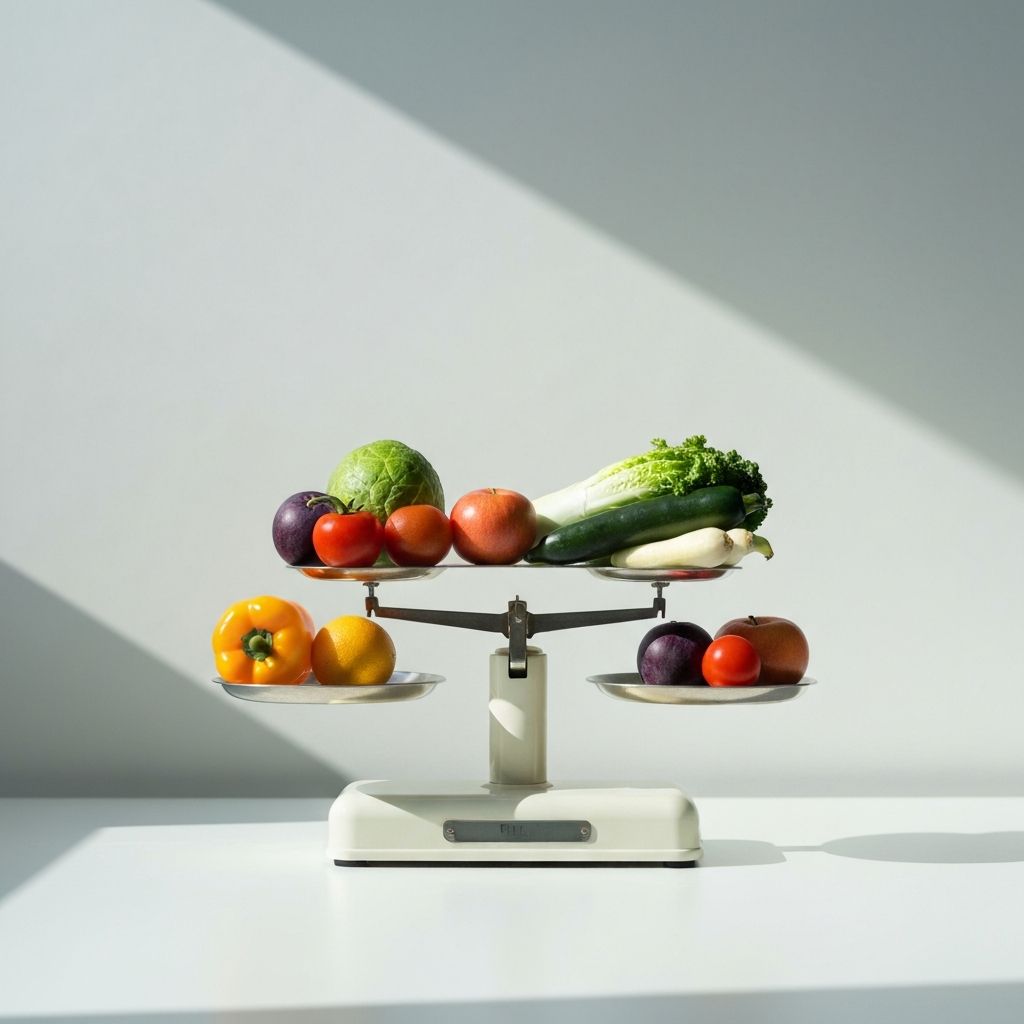
Energy balance is a fundamental concept in nutrition science that describes the relationship between the energy consumed through food and beverages, and the energy expended by the body through daily activities and metabolic processes. Understanding energy balance provides important context for comprehending how body composition changes over time.
The Components of Energy Balance
Energy balance comprises two main components: energy intake and energy expenditure.
Energy Intake
Energy intake refers to the calories consumed through food and beverages. Different foods contain different amounts of energy. Carbohydrates and proteins provide approximately 4 calories per gram, while fats provide approximately 9 calories per gram. Alcohol provides approximately 7 calories per gram. The total amount of food consumed, and the types of food chosen, determine total energy intake.
Energy Expenditure
Energy expenditure consists of several components. Basal metabolic rate (BMR) represents the energy required for basic body functions at rest, such as breathing, circulation, and cellular function. Thermic effect of food refers to the energy required to digest and process food. Activity energy expenditure includes both structured exercise and daily movement. These components combine to determine total daily energy expenditure (TDEE).
Energy Balance States
When energy intake equals energy expenditure, the body is in energy balance. Over time, this typically results in relatively stable body weight and composition.
When energy intake exceeds energy expenditure, the body is in positive energy balance. The excess energy is stored, primarily as body fat. This has implications for body composition changes over time.
When energy intake is less than energy expenditure, the body is in negative energy balance. In this state, stored energy is mobilised for use, which can result in changes to body composition.
Factors That Influence Energy Balance
Energy balance is influenced by numerous factors, which explains why it is highly individual and complex.
Genetics
Genetic factors influence metabolic rate, appetite regulation, and how the body responds to dietary changes. This explains part of the variation seen between individuals.
Age and Body Composition
Metabolic rate changes with age. Additionally, muscle tissue is more metabolically active than fat tissue, so individuals with more muscle mass typically have higher resting metabolic rates.
Physical Activity and Movement
The amount of daily movement, structured exercise, and occupational activity influences total energy expenditure. This varies significantly between individuals and days.
Food Choices and Eating Patterns
The types of foods eaten and the pattern of eating influence both energy intake and how the body processes that energy. Different foods have different effects on satiety and metabolism.
Hormonal Factors
Hormones such as insulin, thyroid hormones, and others regulate various aspects of metabolism and hunger. These can be influenced by sleep, stress, and other lifestyle factors.
Why Energy Balance Matters
Understanding energy balance provides a scientific framework for comprehending why body weight and composition change over time. It explains the role of both food choices and activity level in this process.
Rather than viewing nutrition through a lens of simple rules or restrictions, understanding energy balance allows for a more nuanced appreciation of how the body works. It acknowledges that both the quantity and quality of food matter, and that individual variation is significant.
Energy balance helps explain why results vary between individuals, why what works for one person may not work for another, and why sustainable approaches to nutrition are more complex than simple solutions suggest.
Conclusion
Energy balance is the fundamental concept explaining the relationship between food intake, activity, and body composition. Numerous factors influence this balance, making it highly individual and context-dependent. Understanding these principles provides a scientific foundation for appreciating how nutrition and activity patterns influence our bodies over time.
Important: This article provides educational information about nutrition science. It does not provide personalised advice or recommendations. For individual guidance specific to your circumstances, please consult with qualified healthcare or nutrition professionals.